

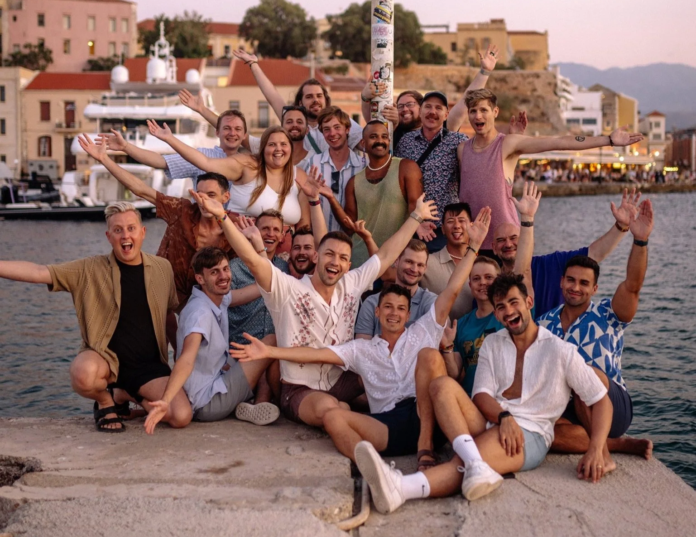
As another year looms, the LGBTQ+ travel market continues to flex its muscles—projected to hit $568 billion by 2030, with queer travelers outspending the general population by 23%.
We’re not just traveling; we’re reshaping how the industry thinks about us. And 2026 is shaping up to be a year of deeper connections, smarter planning, and travel experiences that actually feel like ours.
Here are the nine trends we’re watching.
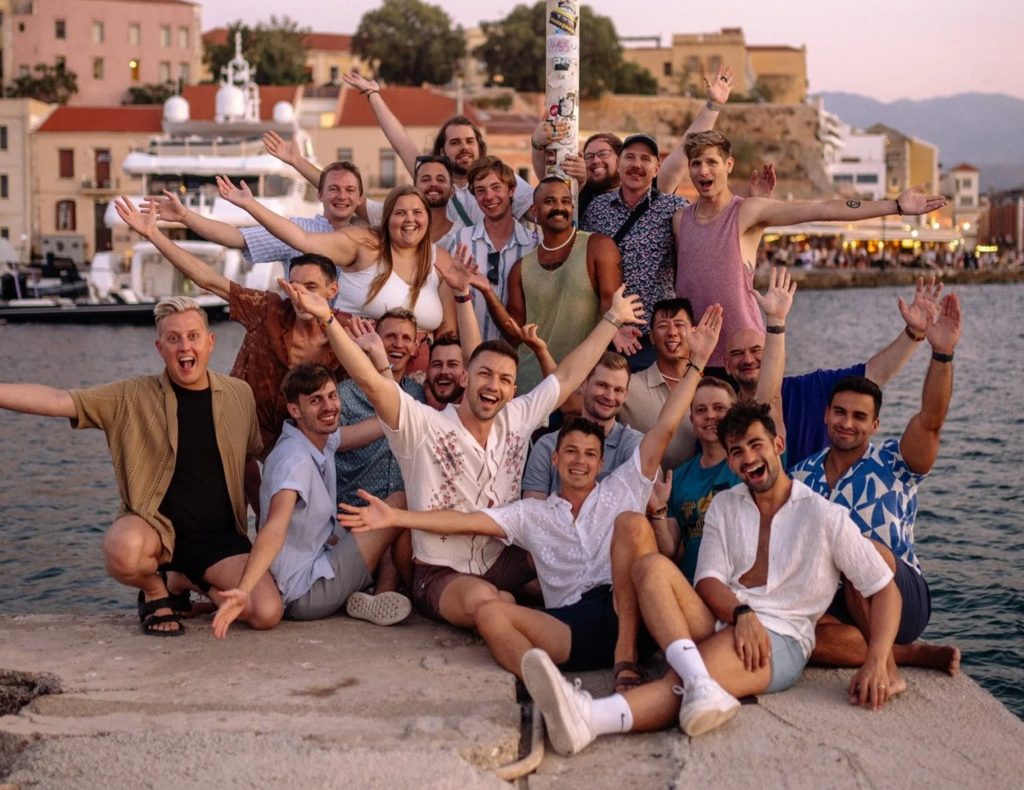
1. Community-First Group Travel
Solo travel can be liberating—but it can also be lonely. The post-pandemic era has seen an explosion in group travel specifically designed to combat what some are calling a “loneliness pandemic.” And LGBTQ+ travelers are leading the charge.
- Companies like Sidequests Travel (founded by influencer Matthew Schueller) are centering trips around community-building, not just sightseeing—think optional morning meditations, growth-centered discussions, and connections that last well beyond the trip
- Out Adventures and Detours offer small-group tours to 40+ countries, with trips filling up months in advance
- The groups tend to be small (16-26 travelers) and mostly solo travelers in their mid-20s to mid-60s
- Pre-trip community building (Zoom calls, group chats) means the first day isn’t awkward introductions—it’s reunions
- Travelers report making lifelong friends, with some even finding romantic partners through these trips
As one group travel organizer put it: “You can get amazing itineraries anywhere on the internet. There’s a reason behind what we do, and that reason is to connect and build your community.”
2. The End of Rainbow-Washing
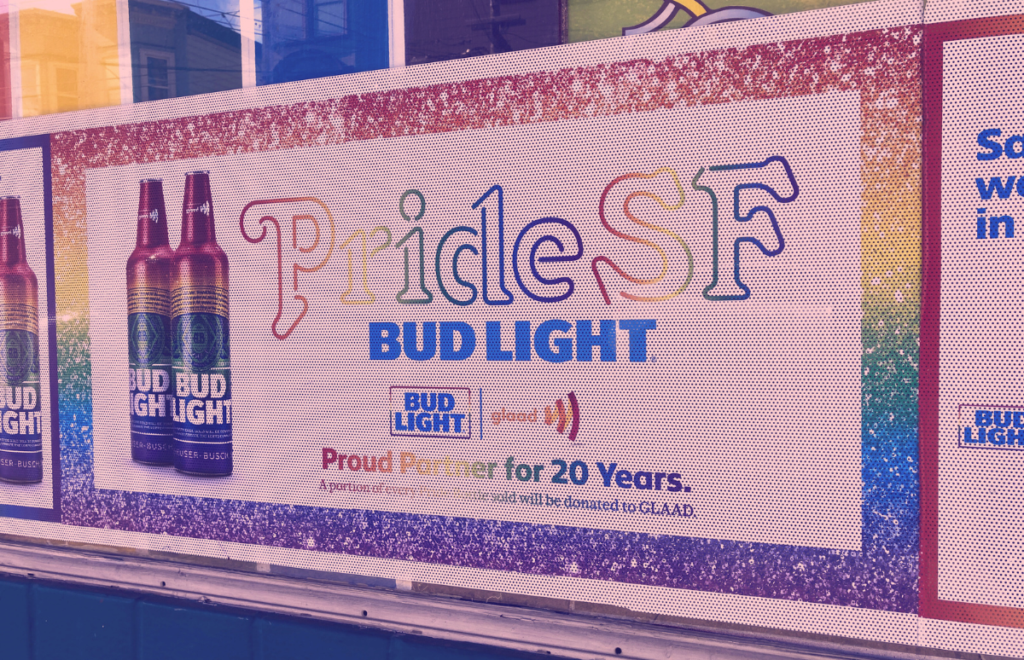
LGBTQ+ travelers are increasingly skeptical of rainbow flags that appear in June and disappear in July. The new standard? Genuine, year-round inclusivity—and travelers are doing their homework.
- Travelers are prioritizing queer-owned businesses, not just “gay-friendly” ones
- Certifications like TAG Approved and IGLTA membership are becoming meaningful markers of genuine commitment
- The distinction between “LGBTQ+ friendly” (we’ll take your money without attitude) and “LGBTQ+ inclusive” (we’ve trained our staff, we understand pronouns, we’ve thought about this) is sharpening
- Political tourism is on the rise: travelers are actively choosing to spend their dollars in places that support LGBTQ+ rights and avoiding those that don’t
- Corporate Pride has become a punchline. We’ve watched companies fly rainbow flags in June while donating to anti-LGBTQ+ politicians in July, and we’re done pretending we didn’t notice.
- There’s growing interest in emerging destinations like Malta and Thailand that have recently strengthened legal protections for LGBTQ+ people
- The irony isn’t lost on us: the same capitalism that figured out how to monetize our identities is now being held accountable by our wallets.
The bottom line: we’re done settling for performative allyship. We want destinations and businesses that walk the walk 365 days a year.

3. “Rainbow Rebellion” Travel
Not everyone is avoiding places that are hostile to the gays. LGBTQ+ travelers are increasingly visiting countries where homosexuality is technically illegal or not generally accepted—the Maldives, UAE, Egypt, Morocco, Kenya, Jordan—refusing to cross bucket-list destinations off their lists.
- Queer-run travel companies like Out Of Office specialize in navigating these destinations safely, vetting hotels that will actually give you a double bed without drama
- The calculus is complicated: laws in places like the UAE tend to be enforced more on locals than foreign tourists, and there are often “thriving unadvertised” queer scenes beneath the surface
- Some travelers see it as a form of visibility and economic influence; others argue it’s a privilege only available to those who can “pass” or who hold powerful passports
- The trend reflects a generational shift: for many Millennials and Gen Z travelers, being queer isn’t enough of a reason not to go somewhere—especially when they’ve already made peace with traveling through less-than-friendly parts of their own countries
Not everyone agrees this is a good idea. But it’s happening, and operators are building businesses around making it safer.

4. The “Slowmad” Movement Goes Mainstream
Remember when digital nomads were hopping from Bali to Berlin in 48 hours? That era is over. Enter the “slowmad”—someone who plants themselves in one place for two to six months, building genuine connections and actually living somewhere, whether working or retired, rather than just passing through.
- Slowmads are choosing destinations for their queer-friendliness and their remote work infrastructure: Lisbon, Chiang Mai, Mexico City, and Medellín top the lists
- Over 40 countries now offer digital nomad visas, making longer stays legally simple
- For LGBTQ+ travelers especially, staying longer means moving beyond tourist bubbles and connecting with local queer communities in meaningful ways
- The trend has spawned “coliving” experiences—shared housing specifically designed for remote workers who want community without the hostel vibe
- There’s also a darker undercurrent to this trend. For some LGBTQ+ Americans—particularly trans people—extended stays abroad aren’t just about lifestyle; they’re about safety
- Rainbow Railroad, the nonprofit that helps LGBTQ+ people flee persecution, received more relocation requests from Americans than any other country last year—a first in the organization’s history
For many, digital nomad visas and extended stays are becoming a test run for something more permanent.One month per city is the new minimum. Burnout from constant movement is real, and the most interesting travelers we know are the ones who stick around long enough to learn which bar the locals actually go to.
5. The Rise of Private Travel Clubs and Memberships
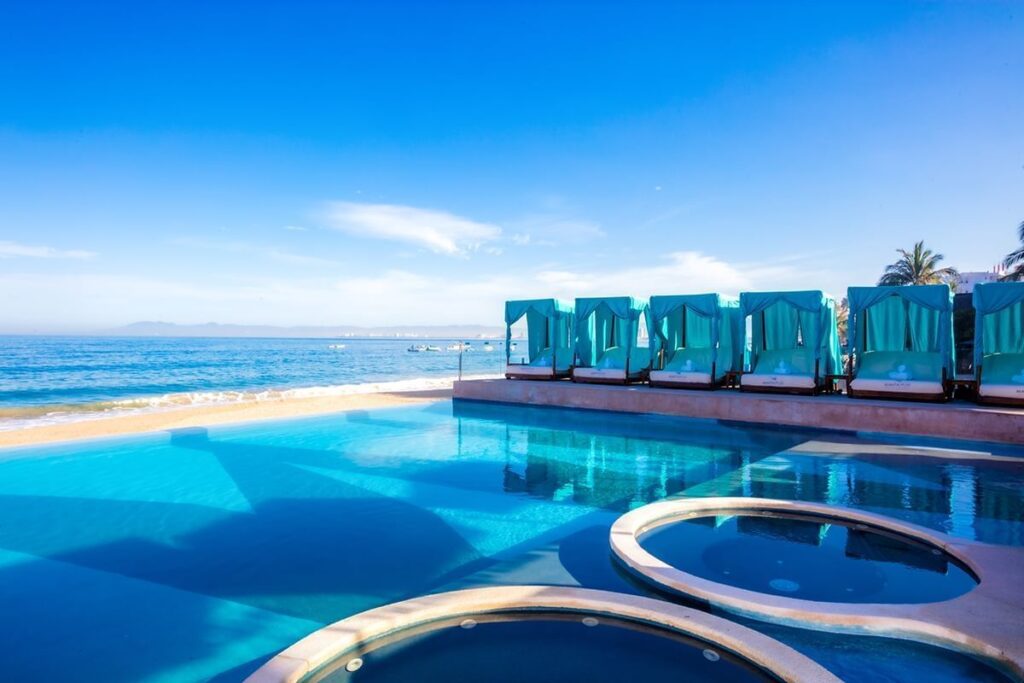
Gone are the days when “LGBTQ+ travel” meant crossing your fingers at hotel check-in. A new wave of private travel clubs and membership services is giving queer travelers exactly what we’ve always wanted: insider access, community, and the confidence that someone’s already vetted the destination.
- Deal-focused memberships like GoQueer+ (wink wink, $50/year) are delivering curated flight deals, city guides with info you won’t find elsewhere, and AI-powered travel planning specifically for our community—think of it as having a queer travel-savvy friend who’s always on the lookout
- Even mainstream deal sites like Going (formerly Scott’s Cheap Flights, $49/year) and Travelzoo ($40/year) have gone subscription-based, proving that travelers are willing to pay for curation over chaos
- Group travel operators like Sidequests Travel are building pre-trip communities through Zoom calls and WhatsApp groups, so you’re not meeting strangers on day one—you’re reuniting with friends you haven’t met yet
- Niche operators are thriving: Olivia continues to dominate the lesbian and queer women’s travel space with their resort takeovers and cruises, while Black Gay and Lesbian Travelers offers curated experiences for Black LGBTQ+ travelers from Cape Town to Thailand
The shift signals something bigger: we’re tired of rainbow marketing that doesn’t deliver. We want travel experiences built by our community, for our community.
6. The Sober Travel Boom
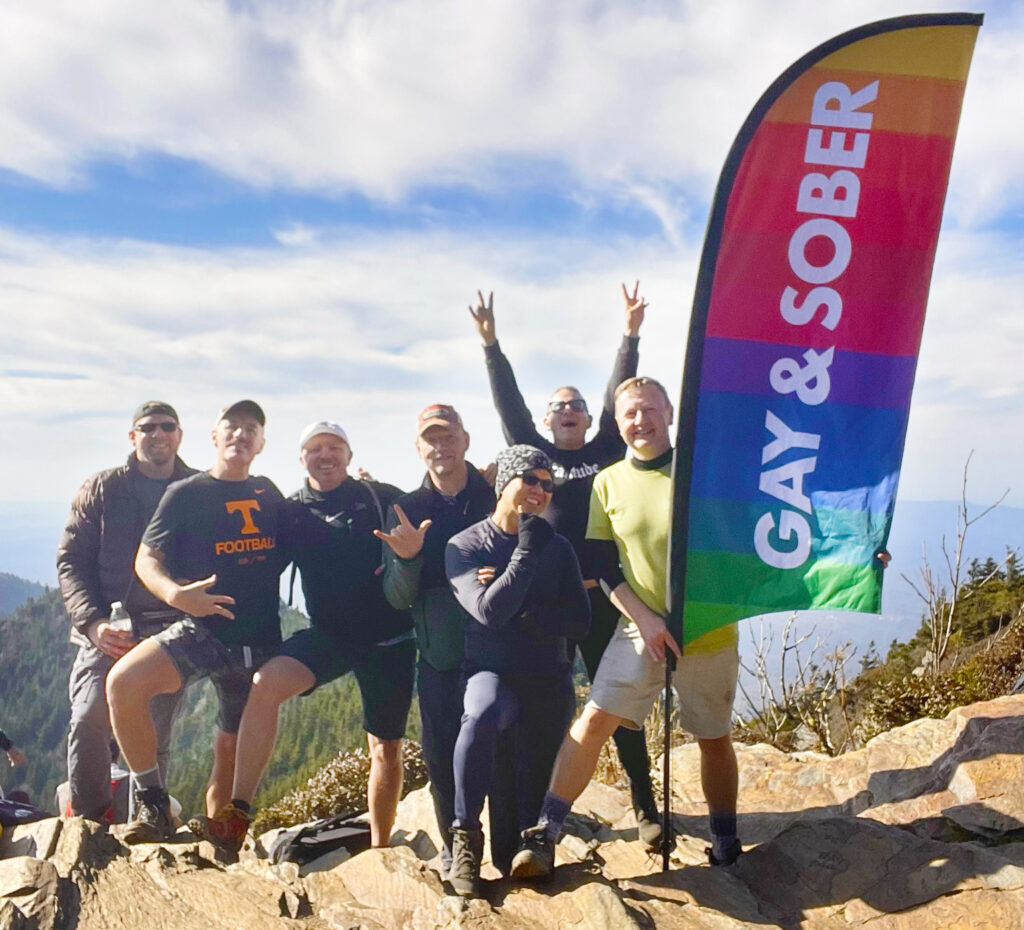
For decades, LGBTQ+ travel has been synonymous with nightlife—bars, clubs, circuit parties. But a growing number of queer travelers are seeking experiences that don’t center alcohol, and the industry is finally responding.
- Demand is rising for LGBTQ+ wellness retreats, yoga-focused trips, and destinations where the draw is nature and culture rather than a 2am dance floor
- Group travel operators like Sober Gay Adventures are building entire trips for folks in recovery and Sober Travel Retreats offers wellness getaways
- It’s part of a broader reckoning with the community’s complicated relationship with bar culture—for many of us, gay bars were the only safe spaces for generations, but that doesn’t mean they have to be the default forever
- Destinations like Costa Rica, Portugal, and Bali are benefiting from travelers who want adventure and community without the hangover
7. Secondary Cities Are Having Their Moment
Traditional gay capitals like San Francisco, Barcelona, and Berlin aren’t going anywhere—but they’re getting company. LGBTQ+ travelers are increasingly seeking out “second-tier” destinations that offer authentic experiences, smaller crowds, and better value.
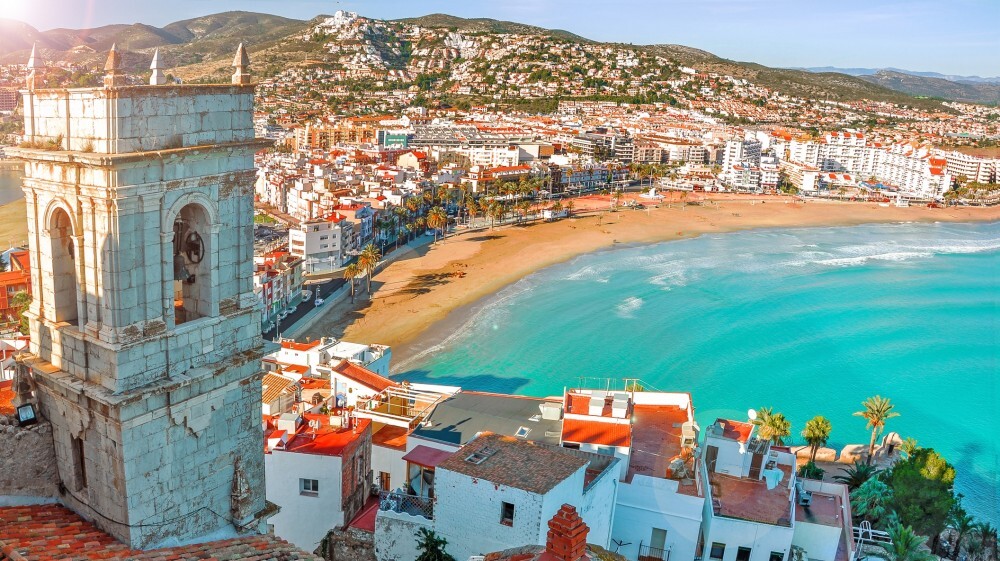
- In Europe, Valencia is stealing Barcelona’s thunder with a thriving local scene and lower prices; Porto offers Lisbon vibes without the crowds; and Thessaloniki is emerging as a queer-friendly Greek alternative to the Mykonos masses
- In Asia, cities like Osaka and Taipei are developing distinctly local queer scenes that don’t feel like carbon copies of Western gayborhoods
- Eastern European cities including Prague and Zagreb are seeing organic LGBTQ+ community growth, with new queer-owned businesses, expanding Pride celebrations, and year-round cultural spaces
- In Africa, Cape Town remains the gold standard, but destinations in Rwanda are beginning to position themselves as LGBTQ+-friendly
The trend reflects a broader shift: we’re trading Instagram-perfect hotspots for places where we can actually connect with local queer communities.
8. “Limelight Gaycations”
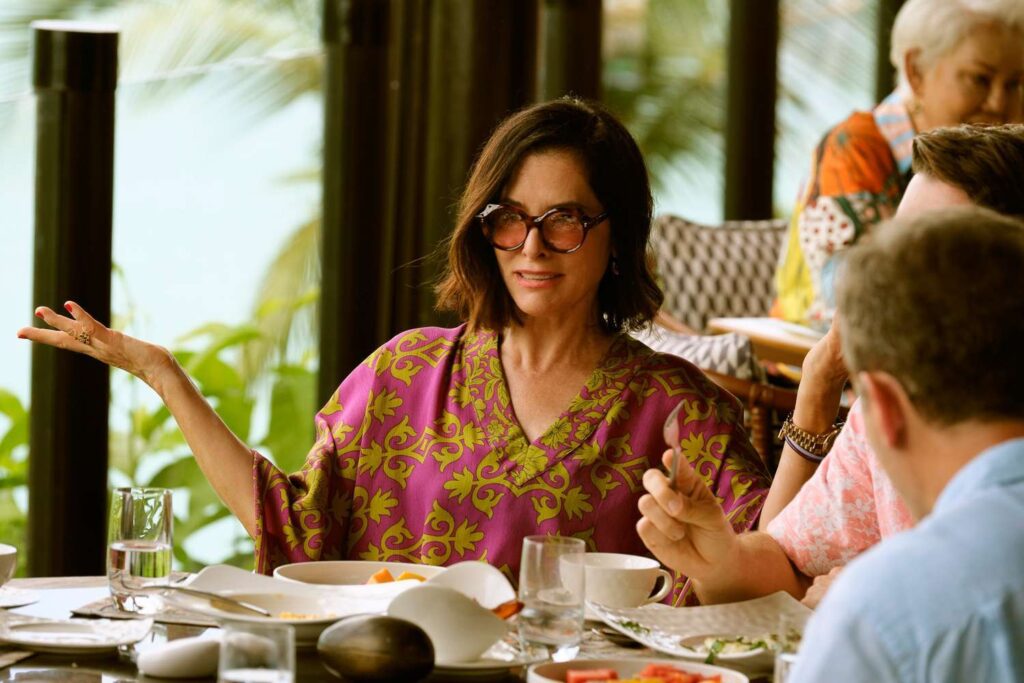
Queer media is shaping where we travel. Heartstopper sent couples flocking to Paris for their own Nick-and-Charlie moment at the Louvre. Fire Island reminded a new generation that the Pines exist. And The White Lotus Season 3 had everyone suddenly interested in Thailand’s Four Seasons Koh Samui.
- Destinations featured in queer-centered shows are seeing measurable tourism bumps
- I Kissed a Boy drove searches for masseria rentals in Puglia
- Streaming has created a new pipeline: binge a show, book a flight, recreate the aesthetic
- Smart destinations are leaning in—marketing themselves as filming locations and embracing their newfound queer appeal
The flip side? Do your research. Some places are better at marketing inclusivity than actually practicing it.
9. Honeymoons and “Put a Ring On It” Trips
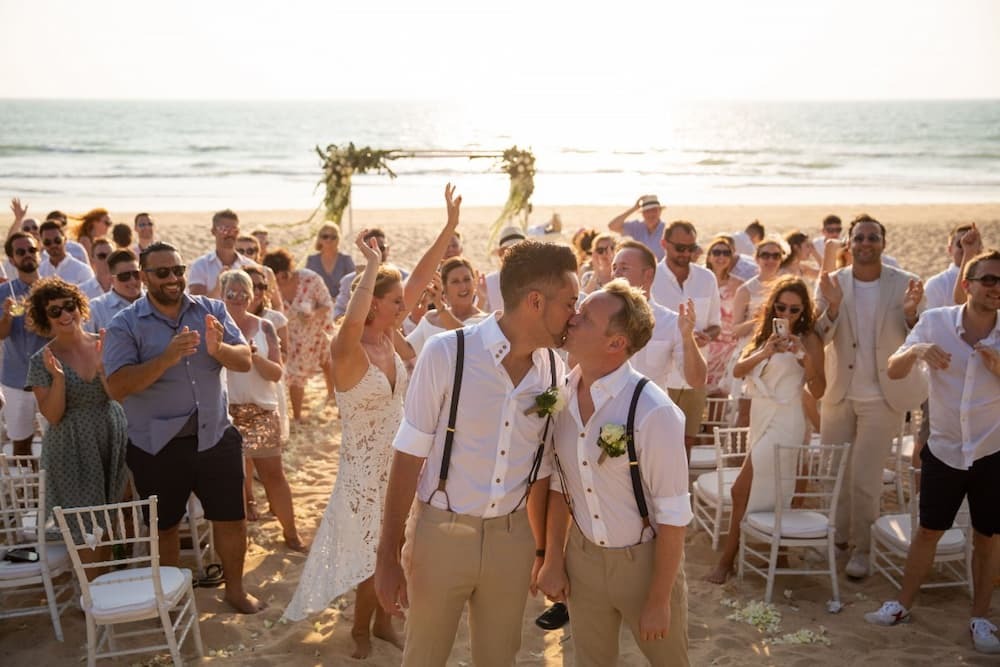
With 38 countries now recognizing same-sex marriage (Thailand became the first Southeast Asian country to join the list in January 2025!), the LGBTQ+ honeymoon market is booming—and getting more sophisticated.
- Destination weddings are increasingly popular in places like Puerto Vallarta’s Zona Romántica, Mykonos, and French Polynesia (where same-sex marriage has been legal since France’s “Marriage for All” law in 2013)
- Couples are distinguishing between “legally recognized” and “symbolic” ceremonies, often getting legally married at home before having a beach ceremony abroad
- “Minimoons”—shorter post-wedding getaways—are trending for couples who can’t take extended time off immediately after the wedding
- Popular honeymoon destinations include Iceland (progressive laws + Northern Lights), Thailand (newly marriage-equal + incredible value), and South Africa (safari + Cape Town’s vibrant queer scene)
- Specialty travel planners like Out Of Office are building entire businesses around LGBTQ+ honeymoon packages, handling the research on which hotels will actually give you a double bed without the awkward conversation
The message is clear: queer couples are claiming the honeymoon market, and the travel industry is finally paying attention.
What This All Means for 2026
The LGBTQ+ travel landscape has evolved far beyond finding a “safe” place to vacation. We’re building communities, claiming space in destinations that once felt off-limits, and demanding that the travel industry treat us as the powerful market force we are.
Whether you’re planning a honeymoon in Tahiti, a month-long slowmad stint in Mexico City, or a group adventure through Colombia with people you haven’t met yet—2026 is the year to travel with intention, connection, and maybe a membership or two that makes the whole thing easier.
See you out there. 🌈